
Leveraging Organizational Culture and Knowledge Management Strategies for Sustainable Project Management
(FUSE-SPS- PDU 306)
This 6-PDU course (FUSE-SPS_PDU 306) will include knowledge checks at the end of each section/module, featuring multiple-choice questions, matching exercises, and short scenario-based questions to reinforce understanding and assess application of key concepts.
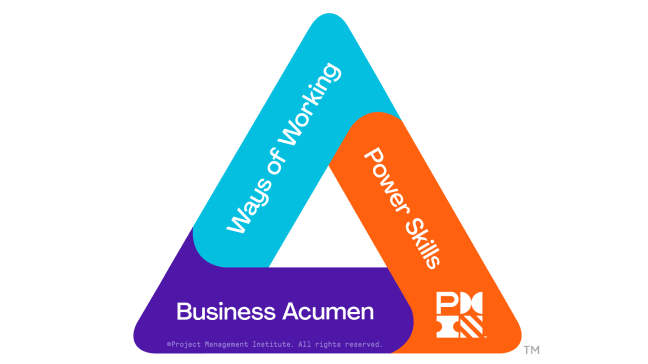
Talent Triangle Breakdown
Business Acumen: 2
Ways of Working: 2
Power Skills: 2
Individal Course Price
USD $59
Bundled Price for 60PDU
USD $399
PDUs
6
Course Duration
6 hours
Associate Certifications
PMP, PMI-ACP, CAPM, PMI-CP
Course Description
In today’s fast-paced and complex project environments, sustainability and success are increasingly shaped by how well organizations manage their culture and knowledge assets. This six-hour course equips project management professionals with the tools and insights needed to leverage organizational culture and knowledge management (KM) strategies as critical enablers of sustainable project outcomes. Participants will explore how cultural values, behaviors, and norms influence project delivery and how effective KM systems enhance learning, innovation, and performance at every project stage.
Using real-world examples, frameworks, and actionable strategies, this course examines the dynamic relationship between culture, knowledge, and sustainability in the project context. By the end of the course, learners will be able to assess cultural readiness, foster knowledge-sharing environments, and design KM processes that align with organizational strategy and project goals — enabling long-term resilience and value creation.
Learning Objectives
By the end of this course, particpants will be able to:

Explain the Role of Organizational Culture
Describe how organizational values, behaviors, and leadership styles influence project outcomes and stakeholder engagement.

Apply Knowledge Management Principles
Understand key KM concepts, including knowledge creation, sharing, retention, and application within project-based environments.

Evaluate Cultural and KM Alignment
Assess the alignment between organizational culture and knowledge management practices to support sustainability and agility in project execution.

Develop Strategies for Cultural Change and Knowledge Sharing
Design interventions to shift culture toward collaboration, transparency, and continuous improvement while fostering knowledge-enabled teams.

Integrate KM Systems into Project Lifecycle
Apply tools and processes for capturing lessons learned, managing knowledge assets, and embedding KM in planning, execution, and closure phases.
Promote Sustainable Project Management Practices
Demonstrate how a culture of learning and effective KM systems contribute to long-term impact, innovation, and sustainability in project management.
What You Learn

Module 1: Foundations of Organizational Culture in Project Management
This module explores the definition and dimensions of organizational culture and its impact on project performance. Learners will analyze cultural types (e.g., hierarchical, clan, adhocracy, market) and identify how culture influences decision-making, leadership, and risk tolerance within teams.

Module 2: Introduction to Knowledge Management for Project Environments
Participants will learn the fundamentals of KM, including tacit vs. explicit knowledge, the knowledge lifecycle, and key KM processes. The module highlights why KM is essential in project settings for avoiding knowledge loss, supporting innovation, and improving project predictability.
Module 3: Cultural Readiness and KM Maturity Assessment
This module introduces tools for assessing an organization’s cultural readiness and KM maturity. Participants will explore frameworks such as OCAI (Organizational Culture Assessment Instrument) and KM capability models to identify strengths, gaps, and alignment with sustainability objectives.
Module 4: Strategies for Culture Change and KM Enablement
Learners will explore strategies for enabling change in both culture and KM practices. Topics include leadership’s role in cultural transformation, establishing communities of practice, fostering psychological safety, and using technology to support knowledge sharing.
Module 5: Embedding Culture and KM into Sustainable Project Practices
In the final module, participants will apply what they’ve learned to project lifecycles and organizational contexts. They will examine case studies and design KM-integrated project approaches that promote continuous learning, stakeholder value, and long-term sustainability.